
Learn the fundamentals.
Build from stance and footwork toward technique that is controlled, consistent, and adaptable.
Technique, thoughtful practice, and the confidence to keep learning.
Coach Andres began his fencing career at the age of 15 and went on to represent Mexico on the national team at the Cadet and Junior levels.
He began his coaching career in 2014 at the New York Athletic Club, where he trained under the guidance of Patrick Durkan. Since then, Coach Andres has continued to develop his coaching career, working with and learning from fencing clubs and athletes across the United States.
Throughout his coaching journey, Coach Andres has also had the opportunity to train and learn from Maestro Christian Bauer, a legendary fencing coach whose athletes have earned multiple Olympic and World Championship medals. This experience has allowed him to further develop his technical knowledge, coaching methodology, and understanding of high-level competitive fencing.
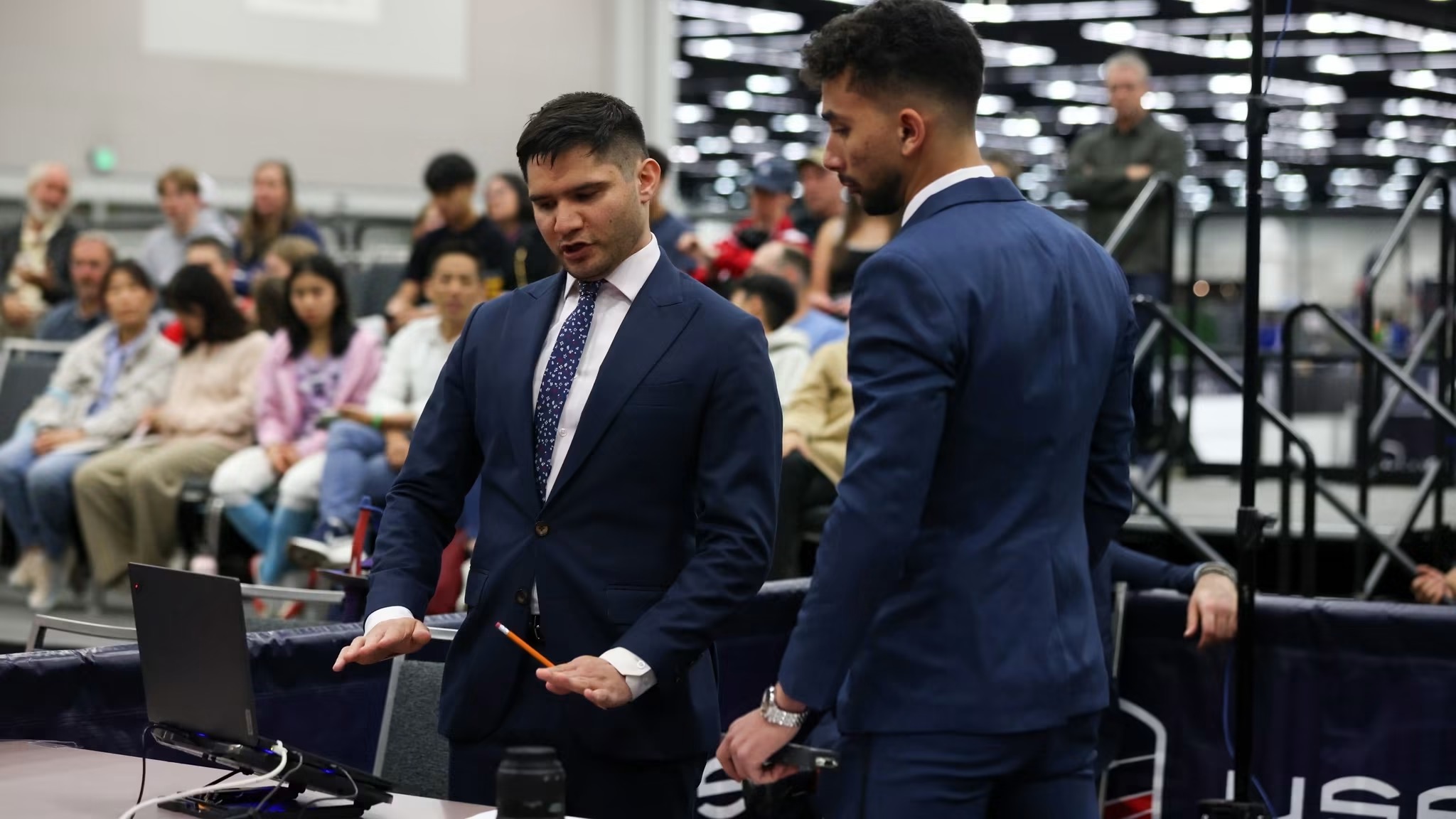
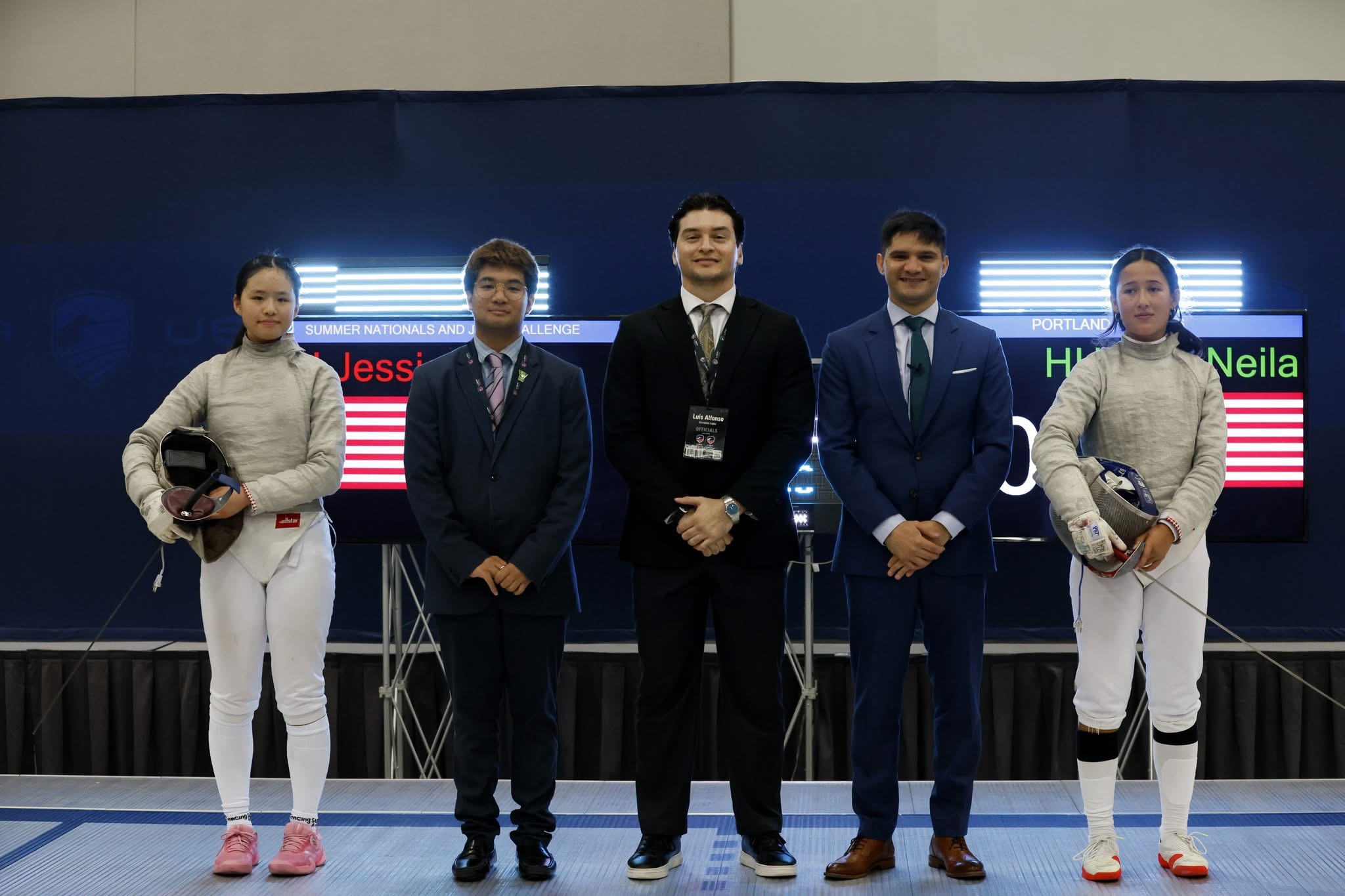
In addition to his coaching experience, Coach Andres is also an accomplished fencing referee. He holds an N1 rating in Saber, the highest referee rating recognized by USA Fencing. His experience as a referee gives him a unique perspective on the sport, allowing him to closely observe and understand the tactics, strategies, and actions used by fencers at every level of competition. This perspective further enhances his ability to teach athletes how to make effective tactical decisions and adapt to the demands of modern fencing.
Coach Andres brings together his experience as a former national-level athlete, coach, and highly rated referee to provide his students with a comprehensive understanding of fencing. His goal is to help fencers develop strong technical foundations, tactical awareness, confidence, and the skills necessary to compete at their highest potential.
Contact the coach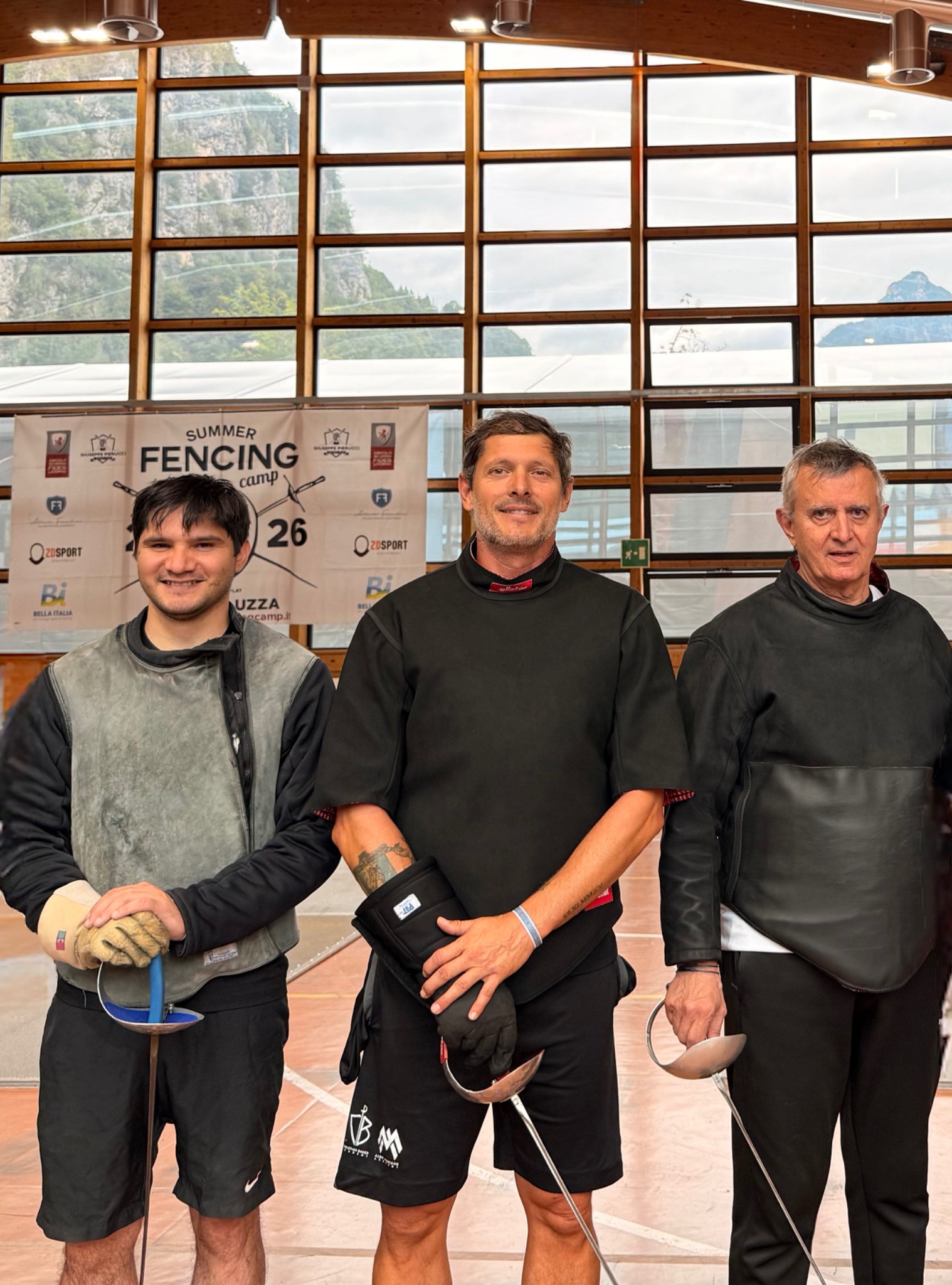
Our approach starts with the individual: a clear next step, purposeful practice, and respect for the learning process.
Build from stance and footwork toward technique that is controlled, consistent, and adaptable.
Give each session a purpose. Understand the action, work on the details, and reflect on your progress.
Value your training partners, listen to feedback, and approach every bout as an opportunity to learn.
Discover what to expect when you step onto the strip.